
Understanding the brain
Your brain is always in motion, shaping how you think, feel, and respond. Even when you're still,
your brain is working on integrating sensation, emotion, thought, and bodily responses.
Brainstem
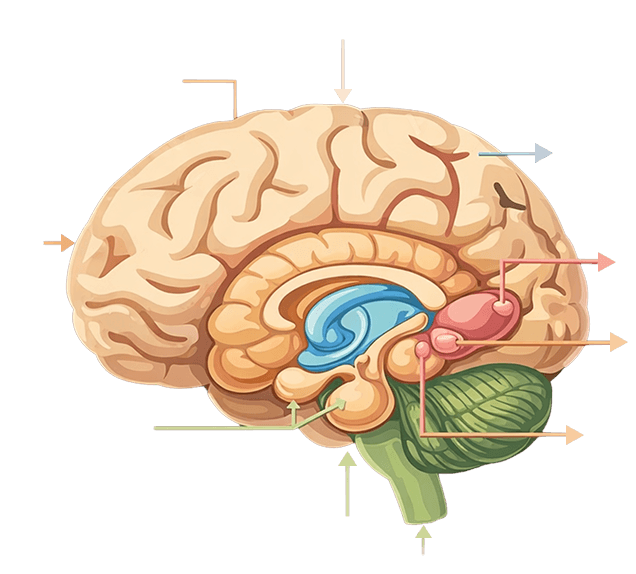
Your brain is a network of parts that talk to each other. Some regions help you think and plan, some help you feel, others keep your heart beating and your lungs breathing without you thinking about it. All of it works together so you can function in the world.
Key Emotional Centres of the Brain
Within the broader brain systems, a few structures play a particularly important role in how we experience memory, stress and emotional balance.
Hippocampus
Helps your brain tell the difference between then and now, so old experiences don't color every new one.
Amygdala
Your internal alarm system. It spots danger fast — but after prolonged stress, it can struggle to stand down.
Pituitary Gland
Sends hormonal signals across the body, shaping how you respond to stress and how well you recover from it.
Pineal Gland
Drives your sleep rhythm. When that's off, so is your mood, your patience, and your emotional steadiness.
About the Brain Waves
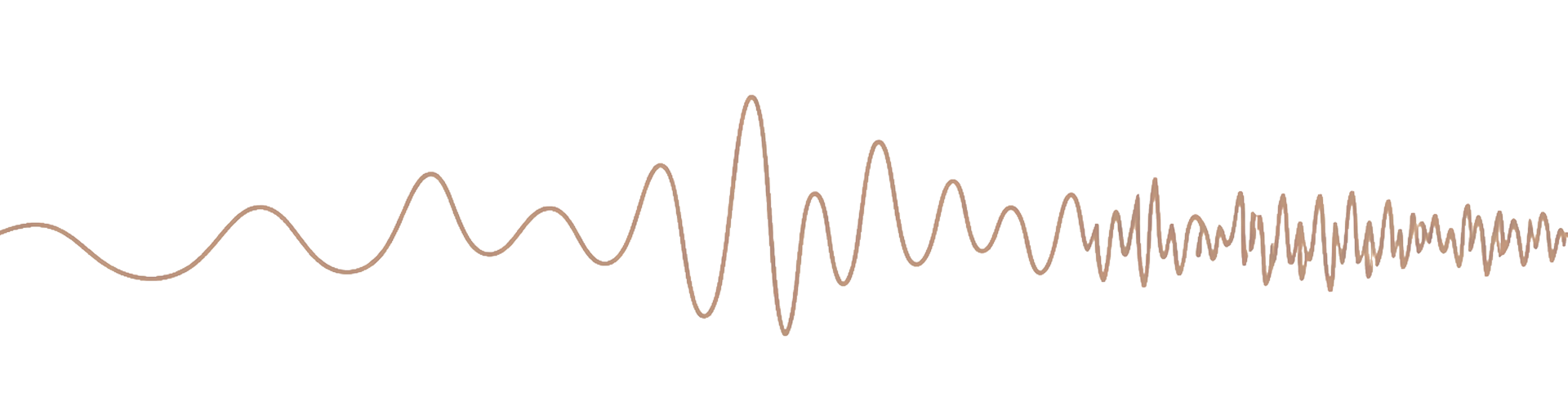
Your brain moves in waves.
At any moment, your brain is generating tiny electrical patterns we call brain waves. Each type of wave corresponds to a different state of mind.
Delta
Deep rest, deep
renewal
Alpha
Calm awareness,
relaxed alertness
Gamma
Higher integration
and insight
Theta
Intuition, imagination,
internal focus
Theta
Intuition, imagination,
internal focus

Emotions
Emotions emerge from interactions. Emotion doesn't live in a single centre. Instead, many parts of the brain work together from areas that detect significance to regions that colour that significance with meaning and memories. Sometimes the body knows before the mind does. Emotion doesn't live in a single centre. Instead, many parts of the brain work together from areas that detect significance to regions that colour that significance with meaning and memories.
Mind-Body-Consciousness Connection
Your brain and body are always talking.
What you think, feel, and experience physically are not always separate threads, but interwoven. Stress, breath, posture, hormones, and even immune responses all interact with brain activity, creating a feedback loop that shapes how you feel and respond.
You don’t stay in one state all day. Much like seasons in nature, your brain transitions through rhythms. For example, you may have sharper focus in the morning, calmer presence midday, reflective states in evening, and restorative patterns during rest.
When you understand your brain, you understand your life. Your thoughts, habits, relationships, energy levels, and emotional patterns are all shaped by these brain processes. Knowing this gives you context and understanding.
When you understand your brain,
you understand your life
Your thoughts, habits, relationships, energy levels, and emotional patterns are all shaped by these brain processes. Knowing this gives you context and understanding.